
March 27, 2026
How Calgary Scrap Car Removal Supports Sustainable Recycling
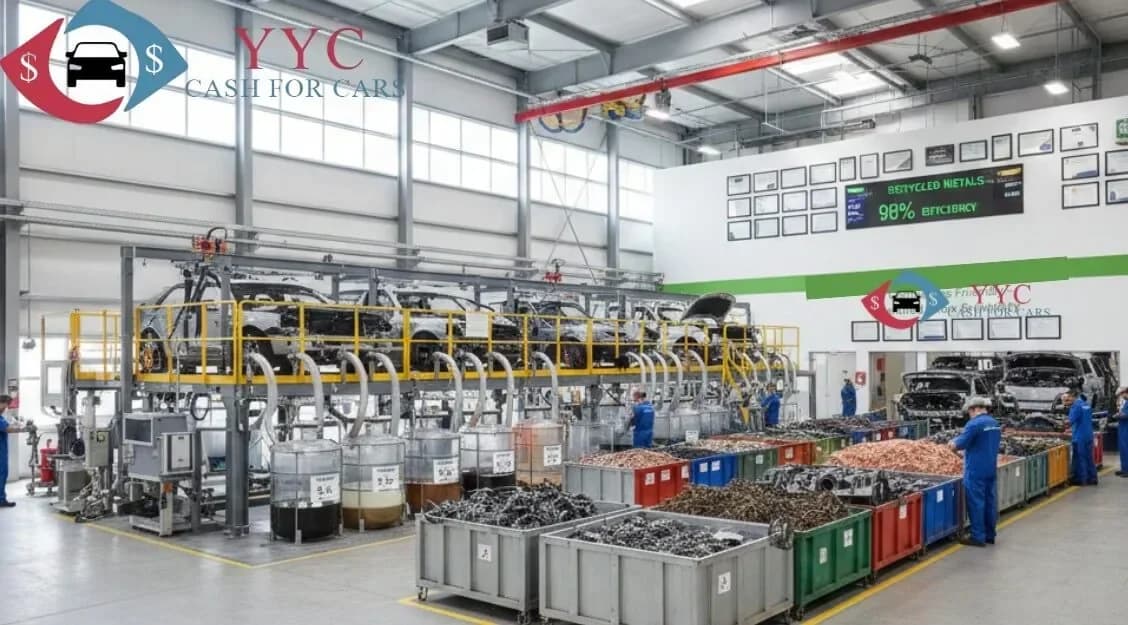
A dead car does not just take up space. It leaks value, ties up land, and quietly turns into an environmental problem if nobody handles it properly. That is why Scrap car removal calgary matters more than most people think. When you hand an end-of-life vehicle to a responsible recycler, you are not just clearing your driveway. You are helping recover metal, manage hazardous fluids, and return usable parts to the market instead of letting them rot in a yard. The City of Calgary directs residents to metal recyclers for scrap metal, and the city also provides proper drop-off options for automotive chemicals, which shows how strongly local waste systems depend on correct disposal channels.
The green value starts long before the car gets crushed
Most people picture recycling as the final crush. That image misses the real story. The smartest environmental win starts before the shell even reaches the shredder, because a vehicle still holds parts, fluids, and metals that can stay in use when somebody knows what they are doing.
A Calgary recycler who removes a worn-out SUV from a family garage does more than haul away junk. They create the first link in a chain that separates batteries, drains fluids, pulls reusable parts, and sends remaining metal into the right stream. That sequence keeps mess out of the ground and material inside the economy. Alberta’s waste guidance puts waste reduction at the top of the hierarchy, which fits this process perfectly.
Reuse beats destruction every single time
The cleanest form of recycling often looks boring. A mirror, alternator, wheel, or door gets removed, checked, and sold again instead of being melted down. That is less dramatic than a crusher, but it saves more material value.
You see this every day after small collisions. A shop may need a replacement fender for an older vehicle, and a reclaimed part can solve the problem without demanding the energy and raw material needed for a brand-new unit. That is not a feel-good extra. It is practical conservation with a receipt attached. Automotive Recyclers of Canada says more than 80% of a vehicle by weight is reused, remanufactured, or recycled.
The bigger point is simple. When reuse happens first, recycling works better later. Good yards do not treat every old car like waste. They treat it like inventory with a deadline.
Bad disposal creates the mess nobody wants to pay for
An abandoned car ages badly. Fluids seep, rubber cracks, and metal breaks down into a headache for the property owner and the city. Leaving a dead vehicle to sit is not harmless neglect. It is delayed cost.
That is why responsible removal matters at the front end. Calgary already separates automotive chemicals from ordinary waste and sends residents to safe drop-off options because those materials need special handling. The same logic applies to end-of-life vehicles: handle them early, and you prevent a small problem from turning into contamination, fines, or cleanup work.
You may think one car cannot do much damage. One car, maybe not. A city full of neglected vehicles is another story.
Responsible yards turn waste into a working supply chain
Once a vehicle arrives at a proper facility, the job becomes technical fast. This is where the difference between a serious operator and a random tow pickup becomes obvious. The good yards sort with discipline, document what matters, and move material with purpose.
That matters for Calgary drivers because the value of recycling depends on what happens after pickup. A decent yard can recover metals, move quality parts back into circulation, and keep problem materials out of the wrong stream. The Canadian Auto Recyclers’ Environmental Code exists for exactly this reason: pollution prevention, legal compliance, and better management from intake to final processing.
Fluid removal is not glamorous, but it does the heavy lifting
Oil, coolant, brake fluid, and other vehicle liquids do not belong in the ground or storm system. A responsible recycler drains and handles them early, because that is where many environmental risks sit. Ignore that step and the whole green argument falls apart.
This is one reason I never trust the “cash first, details later” style of scrap buyer. If they cannot explain how the vehicle gets depolluted, they are asking you to assume the best. That is a bad bet when fluids and batteries are involved.
Calgary’s waste guidance makes the same point in practice by directing automotive chemicals to dedicated drop-off channels instead of regular garbage. Proper yards follow that same discipline at scale, and that is what separates recycling from dumping with nicer branding.
Metal recovery keeps raw material in circulation
Steel, aluminum, and other metals inside a car still have life left in them after the engine quits. Recovering that material means fewer new resources need to be pulled, processed, and transported just to make replacement goods.
This is where Scrap car removal calgary connects directly to sustainability in a way people can actually see. The shell of an old sedan does not disappear into thin air. It becomes feedstock for another industrial cycle, and that keeps useful material moving instead of piling up in landfills or informal yards. The City of Calgary tells residents to take scrap metal to metal recyclers, which reflects that same material-recovery logic.
A lot of climate talk feels distant. Recovered metal is concrete. It is old material doing a second shift.
Calgary drivers also gain a cleaner local economy
Sustainability is not only about emissions charts and policy language. It also shows up in how clean, safe, and functional a city feels. Fewer abandoned vehicles, more material recovery, and better parts reuse make daily life less messy in ways people notice right away.
The local impact is especially clear in neighborhoods where dead vehicles sit for months behind garages, beside alleys, or on commercial lots. Fast removal improves appearance, reduces hazards, and frees space for better use. That is not cosmetic fluff. It is what responsible urban maintenance looks like when it works. Calgary’s waste system is built around directing materials into the right channels, not letting them linger.
Used parts help more drivers repair instead of replace
A reused part can keep an older vehicle on the road without forcing the owner into a costly new purchase. That matters for families, students, and small businesses trying to stretch a budget without cutting safety.
Think about an older work truck in northeast Calgary. The owner may only need a door, wheel, or lighting assembly after minor damage. A recycled part from a dismantled vehicle can get that truck back into service faster and at a lower cost than a brand-new replacement. That is good economics, and it is better resource use too.
This is why cash for cars calgary should not be viewed as a narrow seller benefit. The payment is only the visible part. Behind it sits a broader parts-and-material market that helps other drivers keep their own vehicles useful for longer.
Cleaner lots and fewer hazards matter more than people admit
A neglected vehicle attracts clutter. Then it collects weather damage, broken glass, rust, and sometimes illegal dumping around it. One ugly car can quietly lower the standard of an entire space.
Responsible removal stops that slide early. Businesses clear storage areas. Homeowners reclaim driveways. Property managers avoid the slow decline that starts when one unusable vehicle gets treated as a permanent fixture.
There is a plain truth here. Cities stay cleaner when unwanted material moves out quickly and predictably. Calgary’s own waste and recycling system is built on that idea, and scrap vehicle removal fits that same civic discipline.
The wrong scrap buyer can ruin the whole environmental promise
This is the part many sellers skip, and it is where mistakes happen. People focus on the pickup speed or the cash offer, then ignore the harder question: where does the vehicle actually go, and how will it be processed once it leaves?
That question matters because not every operator treats end-of-life vehicles with the same care. Some buyers act like they are running a recycling service when they are really just moving metal around with very little control. A strong environmental result depends on process, not slogans. The Canadian Auto Recyclers’ Environmental Code stresses mandatory requirements, pollution prevention, and best management practices.
Ask better questions before you hand over the keys
A good seller asks who handles depollution, whether reusable parts get recovered, and how the remaining shell enters the scrap stream. You do not need a chemistry degree. You just need to care enough to ask one level deeper than price.
I would also ask for business details that show the operator is real and accountable. A vague promise and a tow truck are not proof of responsible recycling. They are just a ride.
The City of Calgary even lists licensing information for waste and recycling businesses, which tells you this field is not supposed to run on guesswork. Professional handling should be visible, not mysterious.
Cheap convenience often costs the city more later
The lowest-friction option can create the highest hidden cost. When a vehicle gets stripped badly, dumped badly, or processed badly, the environmental burden does not vanish. It just lands somewhere else.
That somewhere else may be a poorly managed lot, a leak, a cleanup bill, or a wasted chance to recover parts that still had years left in them. This is why junk car removal calgary should never be judged on speed alone. Fast pickup means very little if the back-end handling is sloppy.
You are not just selling metal. You are choosing a chain of consequences. Pick the chain that ends clean.
Sustainable recycling works best when sellers act early
Timing changes outcomes. A car that still has intact parts, contained fluids, and clear paperwork usually moves through recycling with less waste and better recovery. Wait too long and the vehicle loses both resale value and environmental value.
This is the part many owners regret. They keep saying they will deal with it next month, then weather, theft, corrosion, or missing paperwork turns a manageable job into a worse one. Early action makes the process cleaner, simpler, and more worthwhile for everyone involved. Calgary’s guidance on cars, scrap metal, and special waste channels all points toward handling materials before they become bigger disposal problems.
A neglected vehicle loses recoverable value fast
Seats grow moldy, electronics fail, catalytic components disappear, and panels rust from the edges inward. The longer a dead car sits, the fewer parts remain useful for the next owner or repair shop.
Outdoor exposure punishes dead vehicles faster than people expect. Delay does not protect value. It bleeds it out.
That is why quick action is not just about making money. It preserves more of the vehicle for reuse, and that supports the broader recycling chain that good yards depend on.
Early removal gives you more control over the outcome
A planned pickup puts you in charge. You can compare buyers, ask questions, gather paperwork, and choose a yard that treats recycling as a process instead of an afterthought. Rush usually kills standards.
This matters whether the car died in your driveway, behind a shop, or in a rental property lane. A little preparation often means a cleaner handoff and a better final result.
There is no badge for letting a dead vehicle sit one more season. Make the call while the car still gives something back.
Conclusion
Real sustainability is rarely glamorous. It usually looks like somebody making the right boring decision before a bigger mess appears. That is why Scrap car removal calgary deserves more respect than it gets. A responsible removal service helps recover parts, manage hazardous materials, return metal to industry, and keep Calgary cleaner block by block. It also gives you a practical chance to turn a useless vehicle into something better than clutter. If you have a dead car sitting on your property, do not wait for rust, leaks, or excuses to pile up beside it. Contact a reputable local recycler, ask smart questions about their process, and choose a buyer who treats recycling like real work, not a marketing line.
FAQs
What happens to a scrap car after removal in Calgary?
After pickup, the vehicle usually goes through inspection, fluid draining, parts removal, battery handling, and metal processing. Good recyclers recover anything usable before crushing the shell. That means less waste, safer disposal, and more value pulled from one tired vehicle.
Is scrap car removal in Calgary actually better for the environment?
Yes, when the recycler follows proper steps. The environmental benefit comes from reusing parts, draining hazardous fluids, and recovering metal instead of letting the vehicle decay on private property. The process only works well when the operator handles materials responsibly.
Can I get paid for an old vehicle that no longer runs?
You usually can, even if the engine is dead. Buyers pay based on weight, salvageable parts, demand, and towing costs. The offer may not be huge, but getting paid while clearing space beats letting the car rot for free today.
How do I choose a responsible scrap car buyer in Calgary?
Start by asking where the vehicle goes, how fluids get handled, and whether reusable parts are recovered. A serious buyer answers clearly and sounds organized. If everything feels vague except the cash offer, walk away and call someone better today.
Do I need ownership papers for scrap car pickup in Calgary?
Most buyers want proof that the vehicle is yours before they remove it. Requirements vary, but registration, identification, and a signed transfer often help. Sorting paperwork early saves time and lowers the chance of unexpected delays on pickup day later.
Why do recyclers remove parts before crushing the vehicle?
They remove parts first because reuse often saves more material value than shredding everything immediately. A working alternator, wheel, or door can serve another vehicle. That keeps useful goods in circulation and reduces demand for newly manufactured replacement parts today.
When is the best time to remove a junk vehicle?
The best time is earlier than most owners think. A car with intact parts, contained fluids, and clear access is easier to process well. Waiting through more weather usually lowers value, increases damage, and limits what recyclers can recover later.