
March 18, 2026
How to Scrap a Car Without Keys? | Here is Your Guide
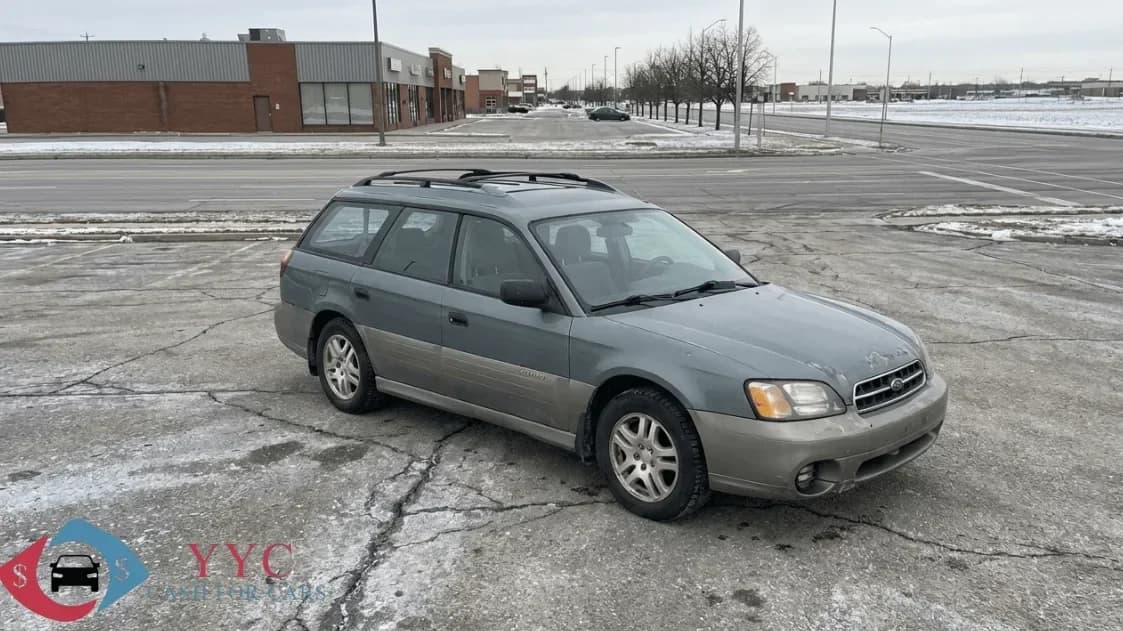
A missing car key makes people panic faster than a dead engine, and I get it. The moment you cannot start the car, it feels trapped in your driveway like a useless lump of metal that still somehow causes stress. I have seen owners assume they need to pay for a new key first, then tow it, then beg a yard to take it. That is usually the wrong move. In most cases, a vehicle can still go through scrap car removal without the original key, as long as you can prove the car is yours and the yard can collect it safely. The key matters less than people think. Ownership matters more.
That shift in thinking saves time, money, and a lot of pointless hassle. You do not need to throw fresh cash at a vehicle that has already reached the end of the road. You need a clean plan, the right documents, and a collector who knows how to handle a car that will not move under its own power. Once you approach it that way, the job stops feeling messy and starts feeling very manageable.
The first thing to know before you call anyone
Most people get stuck because they focus on the key and ignore the legal side. A scrapyard or collection team cares far more about whether you own the vehicle, whether they can access it, and whether the car can be loaded without drama. That is the real starting line, and it changes how you handle the next step.
A missing key does not make the car worthless
A lost key feels bigger than it is. I have watched owners delay collection for days because they thought no key meant no sale, when the car already had no road value left anyway.
Scrap yards buy metal, parts, and salvage value, not your ability to turn an ignition. If the shell, catalytic converter, wheels, battery, or engine still hold value, the vehicle still has a price attached to it.
The problem is not the key itself. The problem is whether the buyer has enough proof and enough access to remove the vehicle without creating a legal or logistical headache.
The real obstacle is usually access, not paperwork
A locked steering wheel, a jammed handbrake, or a car boxed into a narrow driveway can slow things down faster than missing documents. Those issues turn a routine pickup into a job that needs better equipment or more planning.
That is why a good removal company asks where the car sits, whether the tyres hold air, and whether the wheels roll. Those are not random questions. They are trying to avoid a botched collection.
When you answer honestly, the team arrives ready instead of improvising on your property. That saves you from delays, extra charges, and the kind of chaos neighbours love to watch.
Proving the car is yours when the keys are gone
Once you accept that the key is not the star of the show, the next job becomes obvious. You need to show the car belongs to you. This part is where deals survive or fall apart, and it is where many owners get sloppy for no good reason.
Registration papers do the heavy lifting
Your registration document carries the argument better than any story you tell on the phone. If your name matches the record and the vehicle details line up, you have already handled the biggest concern most yards have.
I have seen people wave insurance papers around and think that should settle everything. It helps, but registration remains the cleaner proof because it ties you directly to the vehicle identity.
Keep the document easy to reach before pickup day. Scrambling through drawers while the truck waits outside makes a simple handover feel far messier than it needs to be.
Identification closes the gap
A photo ID finishes what the registration starts. Most collectors want to compare your name, confirm you are the seller, and make sure nobody is trying to offload a vehicle that belongs to someone else.
That might sound fussy, but it protects you too. If a company skips that step, I would question the company before I questioned the process.
Bring your ID out at the same time as your papers. Small habits matter here, and this one speeds up the handoff more than people expect.
Why scrap car removal still works without keys
Once ownership is clear, the whole job shifts from legal proof to physical removal. That is where many people finally breathe out. A proper team does not need magic. They need the right truck, honest details from you, and enough room to do the job cleanly.
Collectors plan around non-running vehicles every day
Tow operators handle dead cars, accident wrecks, and half-sunk driveway relics all the time. A keyless vehicle barely surprises them, because they already work with cars that will not start, steer, or brake properly.
That kind of collection covers more than just a quick pickup. It often includes winching, skates, lift gear, and the kind of patience that only comes from doing this work every week.
You do not need to apologise for the car being awkward. Just describe it honestly. A truthful five-minute call beats an ugly forty-minute pickup every time.
Some cars need a little more prep before loading
A vehicle stuck in park or locked at the steering column may need extra care before the truck can pull it up. That does not kill the job, but it can affect timing, access, and sometimes the price.
I once saw a sedan sitting nose-first against a garden wall with flat tyres and a locked wheel. The owner thought the missing key ended the deal. It did not. The harder part was the position of the car.
Tell the collector about obstacles before they arrive. Gates, steep slopes, low-clearance garages, and blocked drives matter more than people think, and hiding those details never ends well.
What affects the price when there is no key
Now we get to the part everyone asks about, usually in the first minute. Yes, a missing key can affect value in some cases. No, it does not always slash the offer. The outcome depends on what the buyer thinks they can still recover from the vehicle.
The car’s weight and parts still lead the pricing
Scrap value usually starts with metal weight, current market rates, and the condition of recoverable parts. A complete vehicle with an intact catalytic converter, alloy wheels, and usable components often holds more value than owners expect.
The key only becomes a bigger issue when the buyer hopes to resell the car, test systems, or access locked areas easily. On a true end-of-life vehicle, that concern often shrinks fast.
That is why rough conditions matter more than sentiment. Rust, crash damage, fire damage, missing parts, and flood history often hit the number harder than a lost key ever will.
Convenience can move the offer up or down
Buyers price risk and effort. If your car sits on an open drive with clear documents and easy access, they can move fast and pay with more confidence. If it sits buried in a back alley behind two locked gates, the math changes.
This is where cash for scrap cars sounds simple in adverts but gets more complicated in real life. The quote reflects removal effort as much as vehicle condition, and that is fair.
You can help your own price by clearing access, gathering paperwork early, and being precise about damage. Clean information gives buyers less reason to protect themselves with a lower offer.
How to avoid delays, low offers, and bad operators
By this stage, the big fear usually fades and a different one appears. You do not want to get messed around by a buyer who changes the price on arrival or vanishes after promising a collection. Fair concern. This trade has good operators and absolute cowboys.
Ask clear questions before you book the pickup
A serious company should explain what documents they need, whether towing costs sit inside the quote, and how they handle a vehicle with no keys. If those answers come out vague, keep walking.
I also tell people to ask whether the quoted price can change on arrival and under what conditions. Good companies answer that cleanly because they have nothing to hide.
The tone matters too. When someone sounds rushed, dodgy, or weirdly pushy, trust your gut. You are selling a dead car, not joining a hostage negotiation.
Remove personal items and cancel the loose ends
Old cars become storage lockers more often than people admit. Check the glovebox, boot, door pockets, centre console, and under-seat area before collection day. You will find receipts, chargers, coins, and sometimes things far more embarrassing.
Then handle the boring admin. Cancel insurance if needed, sort plate rules in your area, and ask for written confirmation that the vehicle will be processed properly.
This is also the point where junk car removal should feel simple, not rushed. A calm final check stops annoying afterthoughts later, and later is when paperwork problems love to show up.
What to do on collection day and right after
The last stage should feel practical, not dramatic. By pickup day, you should already know the price, the paperwork, and the access plan. That lets you focus on handing the car over cleanly and closing the chapter without loose ends hanging around.
Be present and keep the handover tidy
Meet the driver if you can. Show the documents, confirm the vehicle details, and point out anything that affects loading, especially if the car rolls badly or sits in a tight spot.
This saves time because the driver does not have to guess what you meant on the phone three days earlier. Tiny misunderstandings grow teeth on collection day.
Take a final walk around the car before it leaves. Once it is on the truck, your chance to pull out forgotten items or double-check plates gets a lot smaller.
Keep proof that the vehicle left your hands
Paper trails matter long after the car disappears. Ask for a receipt, collection note, or sale confirmation with the registration details, date, and buyer information on it.
I never treat that as optional. If something gets mixed up later, that record becomes your quiet little shield against a bigger mess.
Once the paperwork is in order, the stress usually drops all at once. A car that felt like a burden for months finally stops taking up space in your drive and in your head.
Conclusion
A lost key feels like the sort of problem that should stop everything. It does not. When a car has reached the point where repair makes no sense, the smarter move is to stop feeding it money and start handling the exit properly. You do not need panic, guesswork, or another expense piled on top of a vehicle that already gave you all it had. You need proof of ownership, honest details about access, and a company that treats the job like work instead of theatre.
That is why people who act early usually get the cleanest result. They gather the papers, clear the driveway, ask the right questions, and let the collector do the heavy lifting. The ones who wait often waste time chasing a replacement key for a car they never planned to keep. That is money walking out the door for no good reason. If your vehicle is finished, treat it that way and move. Start with a few calls, compare the terms, and choose a reliable scrap car removal service that can collect the car legally and without fuss. Then close the file, free the space, and get on with your life.
FAQs
Can I scrap my car without keys if I lost them years ago?
Yes, you can scrap your car even if the keys disappeared long ago. The buyer wants proof you own it, clear access for collection, and honest details about its condition. Missing keys complicate logistics sometimes, but they rarely stop everything.
Do I need the V5 or registration document to scrap a keyless car?
The registration document makes the process much easier, because it proves the vehicle belongs to you. Some yards may still help without it, but they often ask for extra proof, more checks, and more patience before they approve official collection.
Will a scrapyard pay less if my car has no key?
Sometimes yes, but not always. If the vehicle only has scrap value, the missing key may barely affect the quote. If the buyer hoped to test parts, unlock systems, or resell it, the offer may drop a little in practice.
How do scrap companies collect a car that will not start or steer?
They usually use winches, skates, recovery gear, or specialist trucks built for awkward collections. The trick is giving accurate details before pickup. When the team knows the car is locked, immobile, or blocked in, they arrive properly prepared every time.
Can I get a same-day collection for a scrap car without keys?
Yes, many companies offer same-day pickup when the paperwork is ready and access is clear. The missing key does not always slow the schedule. Delays usually come from blocked driveways, missing documents, or sellers giving incomplete vehicle details at booking.
What should I remove from the car before the scrap truck arrives?
Take out personal items, paperwork, chargers, tools, coins, and anything hidden under seats or in the boot. Check carefully, because old cars become storage spaces by accident. Once the truck leaves, getting forgotten belongings back becomes annoyingly difficult later on.
Is it worth replacing the key before scrapping the vehicle?
Usually no. If the car has reached end-of-life status, paying for a new key often throws good money at a bad situation. Unless the replacement key sharply improves the sale value, you are better off arranging the collection and moving on.